Loose Adult Tooth in Green Brook, NJ: When It Needs Emergency Dental Care

Discovering that an adult tooth feels loose can be unsettling, especially when the change happens suddenly. A permanent tooth may become mobile after a fall, sports injury, accident, infection, or another dental problem affecting the tissues that support it. Unlike a loose baby tooth, a loose adult tooth is not considered a normal part of dental development. If a permanent tooth begins moving unexpectedly, contacting an emergency dentist in Green Brook, NJ can help determine why the tooth is loose and whether prompt treatment may help protect it.
Some loose teeth can be stabilized and preserved, particularly when treatment begins soon after an injury. In other situations, looseness may be related to infection, advanced damage, or loss of support around the tooth. At Black Diamond Dental, emergency dental care can help evaluate the tooth, surrounding gums, bite, and supporting structures so patients understand what happened and which treatment options may be appropriate.
The most important thing is not to repeatedly test the tooth by wiggling it. Movement can place additional pressure on already stressed tissues. Instead, protect the area, avoid chewing on the affected tooth, and arrange a professional evaluation.
Why Would an Adult Tooth Suddenly Become Loose?
Permanent teeth are normally held firmly in place by the surrounding bone, gums, and specialized tissues that attach the tooth root to its socket. When one of these supporting structures is injured or weakened, the tooth may begin to move.
A sudden impact is one common cause. Falls, sports injuries, vehicle accidents, and other blows to the mouth can stretch or damage the tissues supporting a tooth. The tooth may become slightly mobile even when it has not been completely displaced from its socket.
Infection can also contribute to looseness. When dental disease affects the bone or tissues supporting a tooth, the tooth may gradually lose stability.
Severe fractures are another possibility. A tooth may appear loose when part of the crown or root has fractured, especially after trauma or when significant decay has weakened the structure.
Because the cause is not always obvious, a dental examination is important whenever a permanent tooth develops unexpected mobility.
Is a Loose Adult Tooth a Dental Emergency?
A suddenly loose adult tooth should generally be evaluated promptly. The level of urgency depends on how the problem developed and which symptoms are present.
If the tooth became loose after an accident or direct impact, emergency dental care is appropriate. Prompt evaluation allows the dentist to check whether the tooth has moved out of its normal position and whether neighboring teeth or supporting bone were also injured.
A loose tooth accompanied by significant pain, swelling, bleeding, drainage, or a bad taste should also be evaluated quickly. These symptoms may indicate that infection or another dental problem is affecting the area.
Even if the tooth is not painful, sudden mobility is not something to ignore. A tooth that has lost support may become more difficult to preserve if the underlying problem continues.
What Should You Do Immediately After a Tooth Becomes Loose?
The first priority is to avoid placing additional stress on the tooth. Do not repeatedly move it with your tongue or fingers to check whether it is still loose.
Avoid biting or chewing directly on the affected tooth. Choose softer foods and use the opposite side of your mouth whenever possible.
If the looseness followed an injury, gently rinse your mouth with lukewarm water if necessary. Do not aggressively rinse, especially if there is bleeding or significant tenderness.
If bleeding is present, gentle pressure with clean gauze may help control it. However, persistent or heavy bleeding requires prompt professional attention.
Contact an emergency dentist and explain how the problem started. Mention whether an accident occurred, whether the tooth moved out of position, and whether you are experiencing pain, swelling, or bleeding.
Can a Loose Tooth Tighten Back Up?
In some situations, a mildly loose tooth caused by trauma can become more stable as the supporting tissues heal. However, the tooth should still be professionally evaluated.
The dentist may need to determine whether the tooth is simply mobile or whether it has been displaced from its normal position. Dental imaging can also help identify fractures or changes in the supporting bone.
A tooth that has become loose because of an underlying infection or loss of support is less likely to improve simply by waiting. In those situations, the cause of the instability must be addressed.
Whether a tooth can recover depends on the severity of the injury, condition of the root, amount of remaining support, and overall oral health.
What If the Loose Tooth Was Caused by an Injury?
Dental trauma can affect a tooth in several ways. A tooth may become loose without visibly changing position, or it may be pushed sideways, inward, or outward.
Nearby teeth may also be injured during the same event, even if they initially look normal. Therefore, an emergency examination usually includes more than just the visibly loose tooth.
The dentist may evaluate how the teeth fit together, whether the tooth responds normally to testing, and whether the supporting bone appears intact.
In certain situations, a loose or repositioned tooth may need temporary stabilization. This can help protect the tooth while the supporting tissues heal.
Follow-up appointments may also be necessary because changes caused by dental trauma can develop over time rather than appearing immediately.
What If the Tooth Has Moved Out of Position?
A permanent tooth that has shifted after an injury needs prompt attention. Do not repeatedly push or manipulate the tooth unless a dental professional specifically instructs you to do so.
When a tooth is displaced, the tissues supporting the root can be damaged. The dentist will need to evaluate the tooth’s position, mobility, bite, and surrounding bone.
Depending on the injury, the tooth may need to be repositioned and stabilized. The exact treatment depends on the direction and severity of the displacement.
A tooth that appears longer or shorter than nearby teeth after trauma may have moved within the socket. Likewise, a sudden change in how your teeth fit together can indicate displacement.
These are reasons to seek emergency dental care rather than waiting to see whether the tooth returns to its normal position on its own.
Can Gum Disease Cause a Loose Adult Tooth?
Yes. The health of the tissues surrounding a tooth plays a major role in keeping it stable.
When gum disease progresses, inflammation can affect the bone and tissues supporting the teeth. As support is lost, teeth may begin to shift or become mobile.
This type of looseness may develop more gradually than a traumatic injury. Patients may also notice bleeding gums, gum recession, persistent bad breath, changes in spacing, or tenderness.
A loose tooth associated with gum disease requires an evaluation of the supporting structures. Treatment may focus on controlling infection and improving periodontal health.
The amount of remaining bone support is an important factor in determining whether the tooth can be stabilized and maintained.
Can a Dental Infection Make a Tooth Loose?
A dental infection can affect tissues surrounding the root and may contribute to tenderness or mobility. Patients may notice swelling, throbbing pain, drainage, or a pimple-like bump on the gum near the affected tooth.
The appropriate treatment depends on where the infection originates and whether the tooth can be restored.
If infection begins inside a restorable tooth, root canal treatment may sometimes be recommended to address the affected internal tissue.
However, if the tooth is severely fractured, extensively decayed, or lacks enough structural support, another treatment may be more appropriate.
Rapidly increasing facial or neck swelling, difficulty breathing, or difficulty swallowing requires immediate medical care.
How Does an Emergency Dentist Evaluate a Loose Tooth?
The dentist will first ask how and when the tooth became loose. If an accident occurred, details about the impact can help determine what types of injuries may be present.
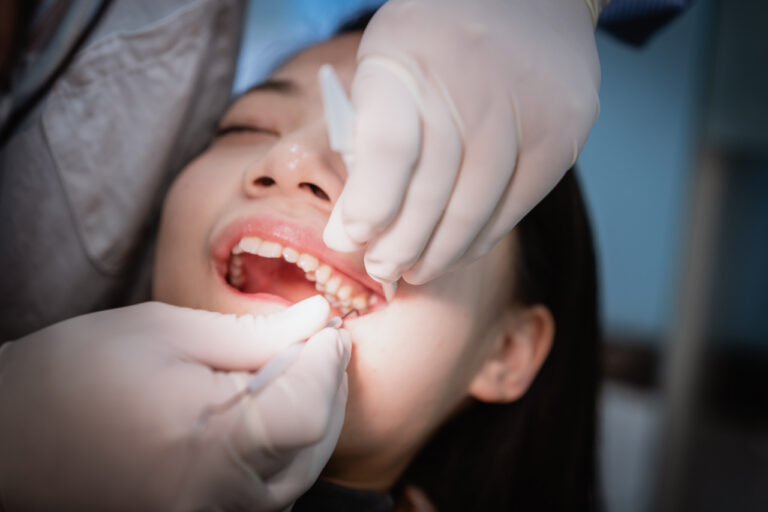
The tooth will then be examined for movement, fractures, bleeding, gum damage, or changes in position. The dentist may also check nearby teeth because trauma can affect multiple areas at once.
Your bite may be evaluated to determine whether the injured tooth is contacting opposing teeth differently than it did before.
Dental X-rays can provide information about the root, surrounding bone, fractures, infection, and other changes that may not be visible during a clinical examination.
Additional testing may be used to evaluate how the tooth responds to temperature or other stimulation. This can be useful when monitoring the health of a tooth after trauma.
How Is a Loose Adult Tooth Treated?
Treatment depends on what caused the mobility and how much support the tooth still has.
Monitoring a Mild Injury
A tooth with mild mobility after trauma may sometimes be monitored while the surrounding tissues heal. Your dentist may recommend avoiding hard foods and chewing pressure in the area.
Follow-up visits can help determine whether the tooth is becoming more stable and whether other changes are developing.
Stabilizing the Tooth
Some injured teeth may benefit from temporary stabilization. A dental splint can connect the affected tooth to nearby stable teeth while the supporting tissues recover.
The need for stabilization depends on the type and severity of the injury. The dentist will also determine how long the splint should remain in place.
Root Canal Treatment
If the inner tissue of an injured tooth becomes significantly affected, root canal therapy may eventually be recommended.
This treatment removes affected tissue from inside the tooth and seals the internal spaces. The timing and necessity of root canal treatment depend on the specific injury and how the tooth responds during follow-up care.
Periodontal Treatment
If mobility is caused by disease affecting the supporting gums and bone, treatment may focus on controlling inflammation and improving periodontal health.
The long-term outlook depends on how much support remains around the tooth.
Tooth Extraction
Unfortunately, some loose teeth cannot be predictably preserved. A severe root fracture, extensive structural damage, advanced loss of support, or another serious condition may make removal necessary.
When a tooth cannot be saved, tooth extraction may be discussed along with appropriate replacement options.
Benefits of Emergency Dental Care for a Loose Adult Tooth
- Identifies the cause of the mobility: Emergency evaluation can determine whether a loose tooth is related to trauma, infection, structural damage, or loss of supporting tissues.
- May improve the opportunity to preserve the tooth: Prompt treatment can provide more options when the supporting tissues are injured but still capable of healing.
- Checks for hidden dental trauma: Dental imaging and examination can identify root fractures, bone injuries, or damage to neighboring teeth.
- Helps protect the bite: A displaced tooth can interfere with normal biting, and professional care can determine whether repositioning is necessary.
- Provides appropriate stabilization when needed: Certain traumatic injuries may benefit from temporary splinting while the surrounding tissues recover.
- Addresses infection or periodontal problems: When looseness develops because of disease, treatment can focus on the underlying cause instead of mobility alone.
- Creates a follow-up plan: Dental injuries often require monitoring because some changes become noticeable after the initial emergency.
- Reduces uncertainty: Patients can learn whether the tooth has a reasonable chance of healing or whether additional treatment should be considered.
Should You Keep Checking Whether the Tooth Is Still Loose?
No. Repeatedly wiggling an injured tooth can place unnecessary stress on tissues that may already be damaged.
It is understandable to want to know whether the tooth is becoming more stable. However, progress should be evaluated during professional follow-up visits rather than by repeatedly moving the tooth yourself.
Use your tongue and fingers as little as possible around the affected area. In addition, avoid biting into hard foods with the injured tooth.
If mobility suddenly increases, contact the dental office and explain the change.
What Should You Eat With a Loose Tooth?
Softer foods can help reduce chewing pressure on an injured tooth while you are waiting for treatment or during the early stages of healing.
Options may include eggs, yogurt, pasta, soft vegetables, oatmeal, soups that are not excessively hot, and other foods that require minimal force.
Avoid hard foods such as nuts, ice, hard candy, crusty bread, and raw vegetables that require strong biting.
Sticky foods should also be limited because they can place pulling forces on teeth.
Try to chew on the opposite side of the mouth whenever possible. Your dentist may provide additional dietary instructions depending on the type of injury and treatment performed.
Can a Loose Tooth Become Discolored?
Dental trauma can sometimes affect the tissue inside a tooth. One possible change after an injury is discoloration.
A tooth may gradually become darker or change shade compared with neighboring teeth. However, discoloration alone does not tell the dentist everything about the condition of the tooth.
Follow-up testing and dental imaging may be necessary to evaluate internal changes.
If you notice discoloration after an injury, contact your dentist, even if the tooth no longer hurts or feels loose.
Why Are Follow-Up Visits Important After Dental Trauma?
The full effects of a dental injury may not be visible during the first emergency appointment. Some changes develop gradually as the tooth and supporting tissues respond to trauma.
A tooth that initially appears stable may later develop sensitivity, discoloration, mobility, or changes around the root.
Follow-up appointments allow your dentist to monitor these changes and recommend treatment if necessary.
Patients should attend scheduled follow-up visits even when the injured tooth feels comfortable. Lack of pain does not always mean that no additional monitoring is needed.
How Can You Reduce the Risk of Loose Teeth From Trauma?
Not every accident can be prevented, but protective habits can reduce the risk of dental injuries.
Wear an appropriate mouthguard when participating in contact sports or other activities where impacts to the face are possible. A mouthguard can help absorb and distribute forces that might otherwise affect the teeth directly.
Use helmets and other recommended protective equipment during activities such as cycling, skating, and similar recreational sports.
Never use your teeth as tools for opening packages, holding objects, or performing tasks that place unnecessary pressure on them.
Routine dental care also matters. Healthy gums and supporting bone help keep teeth stable, while untreated periodontal disease can weaken their foundation over time.
Do Not Ignore a Loose Permanent Tooth
A loose adult tooth is different from a loose baby tooth. Permanent teeth are intended to remain stable, so unexpected movement usually indicates that something has affected the tooth or its supporting structures.
The cause may be relatively straightforward, such as mild mobility after an impact, or it may involve a deeper fracture, infection, or loss of support.
Getting the tooth evaluated promptly gives your dentist an opportunity to identify the cause before additional damage occurs. It may also provide more options for stabilizing or preserving the tooth.
Avoid repeatedly testing the tooth and do not wait for severe pain before seeking care.
Get Emergency Care for a Loose Adult Tooth in Green Brook, NJ
If a permanent tooth suddenly feels loose, shifts after an accident, or becomes mobile along with pain or swelling, professional evaluation is important. Protect the tooth from chewing pressure and arrange emergency dental care so the underlying problem can be identified.
If you have a loose or injured adult tooth, contact Black Diamond Dental at (732) 968-8585. The practice is located at 933 N Washington Ave, Green Brook, NJ 08812. Call Us Today to arrange an emergency dental evaluation and learn which treatment options may help protect your tooth.