Invisalign in Green Brook, NJ: What to Expect From Clear Aligner Treatment
If you would like straighter teeth but are unsure about wearing traditional braces, clear aligner treatment may offer another approach. Invisalign uses a planned series of removable aligners to gradually guide teeth toward new positions. For adults and other appropriate patients interested in a discreet orthodontic option, Invisalign in Green Brook, NJ may provide a convenient way to explore smile alignment without fixed brackets on every tooth.
Clear aligners can be used for certain cases involving crowding, spacing, and other alignment concerns. However, Invisalign is not simply a cosmetic product that can be chosen without an orthodontic evaluation. Tooth movement affects the bite, gum health, and the way the upper and lower teeth work together. At Black Diamond Dental, clear aligner planning begins with evaluating the teeth and bite to determine whether Invisalign or another form of orthodontic dentistry is the better fit.
Knowing what treatment involves before you begin can make the experience much easier. From the consultation and digital planning process to wearing aligners and maintaining the final result, each stage plays a role in creating a healthier and more balanced smile.
What Is Invisalign?
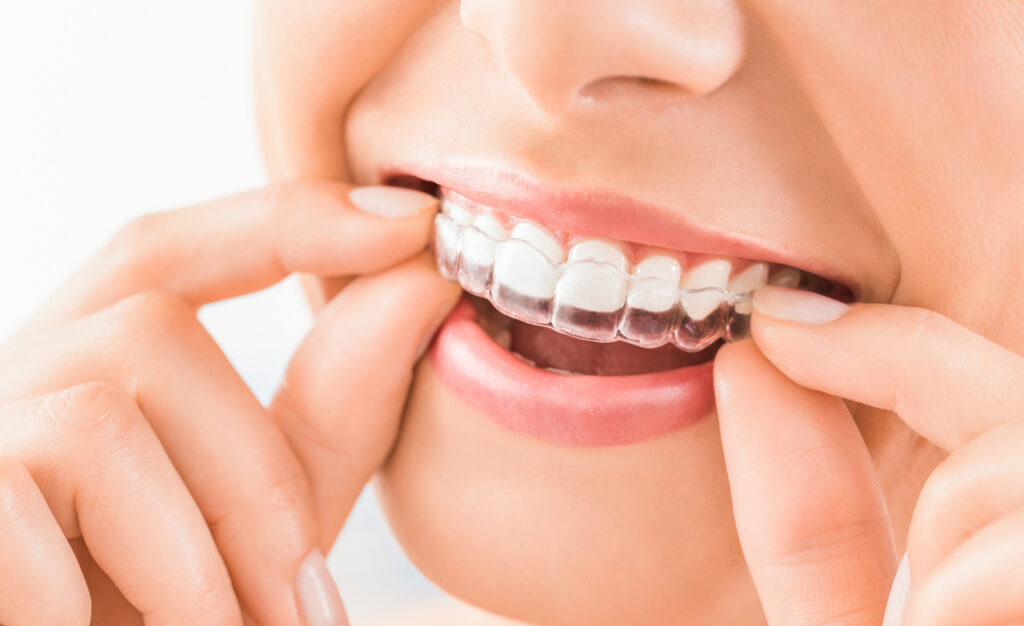
Invisalign is an orthodontic system that uses clear, removable aligners instead of traditional brackets and wires.
Each aligner is designed to place controlled pressure on specific teeth. As treatment progresses, patients move through a sequence of aligners that gradually change tooth position.
Because the aligners are removable, they can be taken out for eating, drinking beverages other than water, brushing, and cleaning between the teeth.
However, removability also means that patient consistency matters. Aligners only guide the teeth while they are being worn.
What Types of Problems Can Invisalign Address?
Clear aligner treatment may be considered for several orthodontic concerns. These can include crowded teeth, spaces between teeth, and certain bite-related issues.
However, the complexity of orthodontic problems varies considerably. Some cases are well suited to clear aligners, while others may benefit from different orthodontic techniques.
A consultation allows the dentist to look beyond the visible alignment of the front teeth and evaluate how the entire bite functions.
The goal should be a result that looks balanced while also supporting comfortable and predictable tooth function.
What Happens During an Invisalign Consultation?
Your Invisalign consultation starts with a conversation about what you would like to change. You may be concerned about crowding, spacing, teeth that appear rotated, or a bite that does not feel properly aligned.
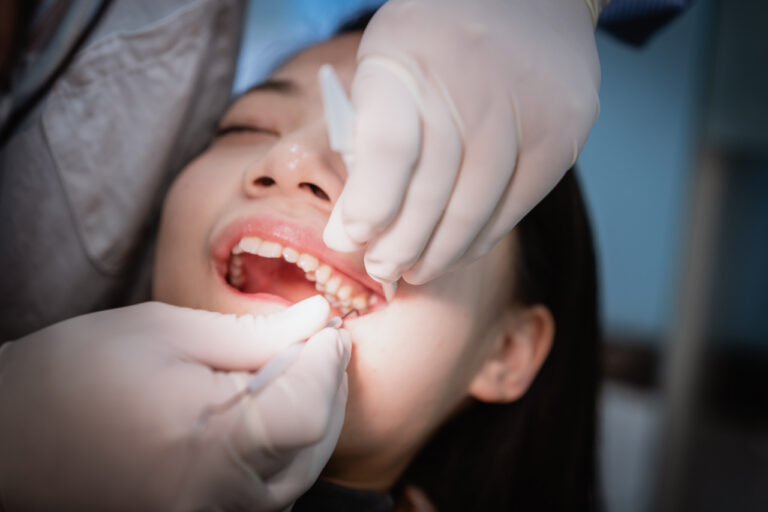
The dental team will examine your teeth, gums, and bite. Dental records may also be collected to provide a complete understanding of the current tooth positions.
Before orthodontic treatment begins, oral health problems such as active decay or significant gum inflammation may need to be addressed.
If Invisalign appears appropriate, treatment planning can begin based on your specific alignment needs.
How Do Invisalign Aligners Move Teeth?
Orthodontic tooth movement occurs when carefully controlled pressure encourages teeth to gradually shift through the supporting tissues.
Each aligner is designed to move selected teeth a small amount. The next aligner continues the process according to the planned sequence.
Some patients may also need small tooth-colored attachments placed on certain teeth. These attachments can give the aligners additional surfaces to apply specific types of force.
The exact number and location of attachments depend on the movements required.
How Often Do You Need to Wear Invisalign?
Clear aligner treatment depends heavily on consistent wear. Because the aligners can be removed, patients are responsible for putting them back in after meals, brushing, or cleaning.
Leaving the aligners out for long periods can interfere with the planned tooth movement and may lengthen treatment.
Your dentist will provide specific instructions about daily wear and when to move to the next set of aligners.
Following those instructions closely helps keep treatment aligned with the original plan.
Can You Eat While Wearing Invisalign?
Invisalign aligners are typically removed when eating. This allows patients to continue enjoying many of their normal foods without worrying about food becoming trapped around fixed brackets.
After eating, clean your teeth before placing the aligners back into the mouth whenever possible.
Wearing aligners over food debris can increase plaque accumulation and may create odor or staining.
Beverages other than plain water should also generally be consumed with the aligners removed unless your dentist advises otherwise.
Is Invisalign Comfortable?
Any orthodontic treatment can create temporary pressure or tenderness as teeth begin moving.
Patients may notice that a new set of aligners feels snug at first. This pressure generally reflects the aligner engaging the teeth according to the treatment plan.
The sensation often becomes less noticeable as the mouth adapts.
If an aligner causes significant pain, has a sharp damaged edge, or does not appear to fit correctly, contact the dental office rather than modifying it extensively yourself.
Benefits of Invisalign
- Discreet appearance: Clear aligners are designed to be less visually noticeable than traditional metal brackets.
- Removable for meals: Patients can remove the aligners while eating rather than changing their entire diet around fixed orthodontic hardware.
- Easier access for brushing: Because the aligners come out, patients can brush and clean between their teeth without working around brackets and wires.
- Planned orthodontic movement: Each aligner is part of a sequence designed to guide specific tooth movements over time.
- Useful for several alignment concerns: Invisalign may be considered for crowding, spacing, and certain bite problems.
- Fits many adult lifestyles: The discreet design can appeal to professionals and adults who prefer a lower-profile orthodontic treatment.
- Digital treatment planning: Clear aligner treatment can provide patients with a structured understanding of the planned tooth movement.
- Supports long-term alignment goals: With appropriate retention after treatment, patients can work toward maintaining the final tooth positions.
How Long Does Invisalign Treatment Take?
Treatment time varies because every orthodontic case is different.
A patient with limited spacing may require a different treatment period from someone with substantial crowding or more complex bite concerns.
Consistency also affects progress. Wearing the aligners as directed and attending scheduled appointments helps treatment move according to plan.
After evaluating your teeth, the dental team can provide a more individualized estimate of how long treatment may take.
How Often Will You Visit the Dentist During Invisalign?
Regular progress appointments are an important part of clear aligner treatment.
These visits allow the dental team to evaluate how well the teeth are following the plan and whether the aligners continue fitting properly.
You may also receive additional aligners or updated instructions during these appointments.
Skipping progress checks can make it more difficult to identify issues early, so keep your scheduled visits even when treatment seems to be going well.
What Happens If You Lose an Invisalign Aligner?
If an aligner is lost or damaged, contact the dental office for instructions.
Do not automatically move forward several stages or stop wearing aligners for an extended period without guidance.
The appropriate next step depends on where you are in the treatment sequence and how long the aligner had been worn.
The dental team can determine whether you should use a previous aligner, move forward, or obtain a replacement.
How Do You Clean Invisalign Aligners?
Clean aligners are more comfortable to wear and help maintain their clear appearance.
Rinse them regularly and clean them according to the instructions provided by your dental team.
Avoid using extremely hot water because high temperatures may affect the aligner material.
Keep the aligners in their case whenever they are removed. Wrapping them in napkins during meals can make them easy to accidentally throw away.
Can You Brush Normally With Invisalign?
One advantage of removable aligners is that they can be taken out for normal brushing and interdental cleaning.
This makes it easier to clean all tooth surfaces than it may be with fixed brackets and wires.
However, Invisalign does not reduce the need for careful oral hygiene. In fact, placing aligners over unclean teeth can trap plaque and food against tooth surfaces.
Brush consistently, clean between your teeth, and maintain regular professional dental cleanings throughout treatment.
Can You Get Cavities During Invisalign Treatment?
Yes. Invisalign moves teeth, but it does not protect them from tooth decay.
Plaque can still accumulate, particularly when patients frequently drink sugary beverages or place aligners back in without cleaning their teeth.
Good brushing, interdental cleaning, fluoride exposure, and regular dental visits remain essential.
If a cavity develops, your dentist can determine how restorative treatment should be coordinated with the orthodontic plan.
Will Invisalign Affect Speech?
Some patients notice a temporary change in speech when they first begin wearing clear aligners.
The tongue needs time to adapt to the thin material covering portions of the teeth.
For many patients, any minor speech change becomes less noticeable as they get used to wearing the aligners.
Consistent wear can help the mouth adapt more quickly than repeatedly removing the aligners throughout the day.
What Happens After Invisalign Treatment?
Finishing the active aligner sequence is an important milestone, but orthodontic care does not necessarily end there.
Teeth have a natural tendency to shift over time. Therefore, retainers are typically used to help maintain the new alignment.
Your dentist will explain how often the retainers should be worn and how to care for them.
Ignoring retention can allow teeth to gradually move away from their corrected positions.
Can Adults Get Invisalign?
Yes. Many adults explore clear aligner treatment because they want to improve alignment without traditional metal braces.
Age alone does not determine whether someone can use Invisalign. The health of the teeth and gums, type of tooth movement required, and ability to follow the treatment plan are more important considerations.
Adults with crowns, previous dental work, or other restorations may still be candidates, although planning may require additional considerations.
A consultation can determine whether clear aligners fit your specific situation.
Is Invisalign Only for Cosmetic Reasons?
Many patients begin orthodontic treatment because they would like straighter-looking teeth. However, alignment can influence more than appearance.
Crowded teeth can create overlapping surfaces that are more difficult to clean. Bite problems may also place uneven forces on certain teeth.
Orthodontic treatment aims to improve tooth position while considering how the teeth function together.
This means Invisalign planning should account for both smile appearance and bite relationships.
How Do You Know Whether Invisalign Is Right for You?
The most reliable way to find out is through an orthodontic evaluation.
Clear aligners can be an excellent choice for appropriate cases, but they are not the only way to move teeth.
Your dentist can evaluate crowding, spacing, bite alignment, gum health, dental restorations, and other factors before recommending treatment.
The goal is to choose the method that gives your teeth a predictable path toward better alignment.
Explore Invisalign in Green Brook, NJ
If you have been considering straighter teeth but want to know whether clear aligners fit your lifestyle, an Invisalign consultation can provide the answers you need. Understanding your bite, treatment timeline, expected responsibilities, and retention plan can help you decide confidently.
Contact Black Diamond Dental at (732) 968-8585 or visit 933 N Washington Ave, Green Brook, NJ 08812 to Schedule a Consultation and find out whether Invisalign may be appropriate for your smile.