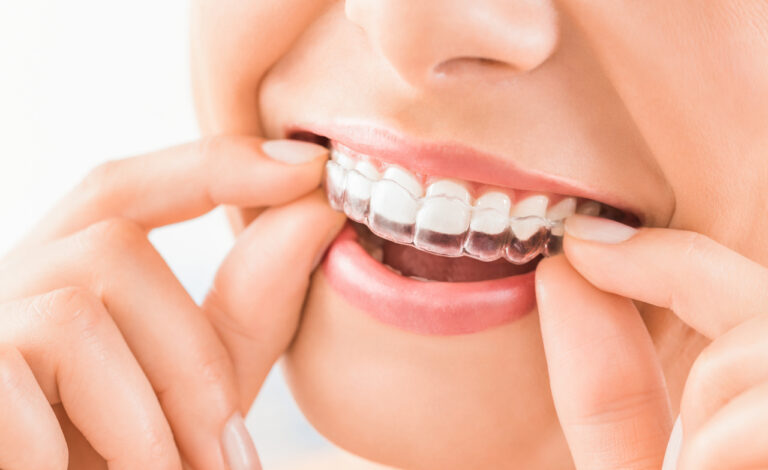
Lost Crown or Filling in Green Brook, NJ: When Is It a Dental Emergency
You are enjoying a meal when something suddenly feels different. Maybe a dental crown comes loose, part of a filling falls out, or you notice a new sharp edge on a tooth. Even when there is no immediate pain, losing a restoration can leave vulnerable tooth structure exposed. If a crown or filling comes out unexpectedly, contacting an emergency dentist in Green Brook, NJ can help you determine how quickly the tooth needs attention and what you should do until your appointment.
Dental crowns and fillings are designed to restore teeth that have already been affected by decay, wear, fractures, or previous dental treatment. When one becomes loose or falls out, the tooth underneath may be more vulnerable to sensitivity or additional damage. In some situations, the restoration can simply be repaired or replaced. However, additional treatment may be necessary if the underlying tooth has developed decay or fractured. Patients dealing with a damaged restoration can also learn more about dental crowns and how they can help protect weakened teeth.
At Green Brook Family Dental Care, emergency dental care can help determine why a restoration failed, whether the tooth underneath remains healthy, and which treatment may be appropriate. Getting the area evaluated promptly can also reduce the possibility of additional damage from normal biting and chewing.
Why Do Dental Crowns and Fillings Come Loose?
Dental restorations are designed to withstand everyday chewing forces, but they are not permanent. Several factors can contribute to a filling or crown becoming loose, damaged, or completely dislodged.
Normal wear is one possible cause. Every time you chew, your teeth and restorations absorb pressure. Over many years, dental materials can wear down, particularly when a restoration has been exposed to significant biting forces.
New tooth decay can also develop around an existing restoration. If decay forms near the edge of a filling or underneath a crown, the supporting tooth structure may weaken. As a result, the restoration may no longer fit securely.
Grinding and clenching may create additional stress as well. Repeated pressure can contribute to worn restorations, cracks, or changes in the natural tooth supporting a crown or filling.
Hard and sticky foods can also contribute. Chewing ice, hard candy, or other firm foods can place sudden stress on a restoration. Meanwhile, sticky foods may pull on a crown or filling that has already started to loosen.
Is a Lost Crown a Dental Emergency?
A lost crown is not always a severe dental emergency, but it should generally be evaluated promptly. The tooth underneath the crown may be sensitive, weakened, or more vulnerable to damage than it was while the restoration was securely in place.
Contact an emergency dentist sooner if the exposed tooth becomes painful, very sensitive, fractured, or difficult to chew with. Prompt attention is also important if the crown came off because of an accident or injury.
Even if the tooth does not hurt, delaying treatment for too long can create additional concerns. The exposed tooth may become damaged by normal chewing forces, and food or bacteria can collect around areas that are harder to clean.
In addition, changes to the tooth may make it more difficult to reuse the original crown. Having the area evaluated sooner allows the dentist to determine whether the crown can be recemented or whether another type of treatment is necessary.
Is a Lost Filling a Dental Emergency?
A lost filling can range from a relatively minor problem to an urgent dental concern. The seriousness depends on the size of the filling, how much tooth structure is exposed, and whether you have pain or sensitivity.
A small filling may leave behind a noticeable opening or rough area. In contrast, losing a large filling can leave a significant portion of the tooth unsupported.
If the tooth feels weak, painful, or sensitive to pressure, hot foods, cold drinks, or sweets, contact a dentist promptly. A tooth that has lost a large filling may also be more susceptible to fracture during normal chewing.
Even when there is no pain, an examination remains important. A filling may have failed because of wear, new decay, or a fracture that needs to be addressed before another restoration can be placed.
What Should You Do If a Crown Falls Out?
If your crown comes off, try to locate it and keep it in a safe place. Gently rinse the crown if necessary, place it in a clean container, and bring it with you to the dental office.
Avoid forcing the crown back onto the tooth. In addition, do not use household glue or other adhesives that are not intended for use in the mouth. These substances may irritate oral tissues or interfere with professional dental treatment.
Try not to chew on the affected side until the tooth has been evaluated. Without the crown in place, the remaining tooth may have less structural protection.
If the area feels sensitive, avoid very hot, cold, sugary, hard, or sticky foods. Choosing softer foods may make eating more comfortable while also reducing pressure on the tooth.
What Should You Do If a Filling Falls Out?
If a filling falls out, gently rinse your mouth with lukewarm water to help remove food and debris. Continue brushing the area carefully because an opening in the tooth can trap food.
Avoid repeatedly touching the opening with your tongue, fingers, toothpicks, or other objects. Although it may be tempting to investigate the area, doing so can irritate the tooth and surrounding gums.
Do not chew hard or sticky foods on the affected side. If part of the natural tooth has broken away along with the filling, save any fragments you can find and bring them to your appointment.
Temporary dental filling materials may be available over the counter. However, these products are not permanent repairs and should not replace an examination. The dentist still needs to determine why the original filling came out and whether the remaining tooth is healthy enough for another restoration.
Why Can a Tooth Hurt After Losing a Crown or Filling?
Dental sensitivity after losing a restoration can occur for several reasons. Crowns and fillings often cover areas of a tooth that have already been treated or altered. Once that protection is gone, deeper tooth structure may become more exposed to temperature, pressure, or certain foods.
For example, dentin underneath the enamel contains tiny channels that can transmit sensations toward the center of the tooth. When dentin becomes exposed, cold drinks or sweet foods may create noticeable sensitivity.
New decay beneath or around the restoration is another possible explanation. If bacteria have affected deeper portions of the tooth, discomfort may become more noticeable once the crown or filling comes out.
A fracture may also be present. Sometimes a restoration fails because part of the natural tooth supporting it has cracked. In these situations, patients may experience sharp discomfort while biting or releasing pressure.
If the inner tissue of the tooth has become significantly inflamed or infected, additional treatment may be necessary. Depending on the condition of the tooth, root canal treatment may be considered to address the problem while preserving the natural tooth when possible.
Can the Same Crown Be Put Back On?
In some cases, an existing crown can be recemented. However, this depends on both the condition of the crown and the tooth underneath it.
If the crown remains intact and the supporting tooth has not developed significant decay or fracture, the dentist may determine that the restoration can be placed back onto the tooth.
However, the reason the crown came off must first be identified. Simply recementing a crown without addressing an underlying problem could allow the restoration to fail again.
If decay is present, the damaged tooth structure may need to be treated before another crown is placed. Likewise, if the tooth has fractured or changed shape significantly, the original crown may no longer fit correctly.
The crown itself can also become damaged. A cracked or heavily worn restoration may need to be replaced rather than reused.
What Treatment May Be Needed After a Filling Falls Out?
The appropriate treatment depends on the condition of the remaining tooth. If the opening is relatively small and there is enough healthy structure remaining, a new filling may be possible.
However, a tooth that has lost a large filling may need additional protection. If significant tooth structure has been lost, a crown may provide more support than another large filling.
If new decay is present, the dentist will need to remove the damaged area before placing a new restoration. The amount of remaining healthy tooth structure will then help determine whether a filling or crown is appropriate.
When a fracture or decay reaches the inner portion of a tooth, root canal treatment may sometimes be necessary before the tooth is restored.
In more severe cases, the tooth may no longer have enough healthy structure to be restored predictably. When this happens, an extraction may need to be discussed.
Benefits of Emergency Dental Care for a Lost Crown or Filling
- Protects vulnerable tooth structure: Prompt treatment can reduce the amount of time an exposed or weakened tooth is subjected to normal chewing forces.
- Identifies why the restoration failed: A dentist can determine whether wear, decay, fracture, or another problem contributed to the lost crown or filling.
- Helps manage sensitivity: Restoring or protecting exposed tooth structure can help address sensitivity caused by temperature and pressure.
- May prevent further breakage: A tooth that has lost a large restoration may be structurally weaker, so early care can help reduce the risk of additional damage.
- Provides appropriate restoration options: Depending on the condition of the tooth, treatment may involve a new filling, recemented crown, replacement crown, root canal, or another procedure.
- Helps preserve the natural tooth: Addressing damage earlier may provide more opportunities to repair the tooth before the condition becomes more extensive.
- Reduces uncertainty: A professional examination can clarify whether the situation requires immediate treatment or a less urgent restorative appointment.
Can You Eat With a Missing Crown or Filling?
You may still be able to eat, but it is wise to protect the affected tooth until your dental appointment. Avoid chewing directly on the area whenever possible.
Choose softer foods that require less force. Foods such as eggs, yogurt, soft vegetables, pasta, and other easy-to-chew options may be more comfortable.
Avoid very hard foods because they can place additional pressure on weakened tooth structure. Sticky foods may also become lodged in the exposed area or pull on a partially loose restoration.
Temperature can matter as well. If the exposed tooth is sensitive, very hot or cold foods may create discomfort.
These dietary adjustments are temporary precautions rather than treatment. The tooth still needs to be evaluated so the missing restoration can be addressed appropriately.
What If the Crown Is Loose but Has Not Fallen Off?
A loose crown should not be ignored simply because it remains attached to the tooth. Movement can allow bacteria and food debris to enter around the edges of the restoration.
In addition, repeatedly chewing on a loose crown may cause it to come off completely or potentially damage the underlying tooth.
Avoid wiggling the crown with your tongue or fingers. Instead, contact a dentist and describe what you are experiencing.
If the crown can be stabilized before additional changes occur, treatment may be more straightforward. The dentist can remove or examine the restoration safely and determine why it became loose.
What If a Crown or Filling Breaks After Hours?
A restoration does not always fail during regular business hours. If a crown or filling comes out at night or over the weekend, focus on protecting the tooth until professional care is available.
Keep the area clean, save a lost crown, avoid chewing on the affected tooth, and avoid foods that cause sensitivity.
Contact an emergency dental office for guidance, particularly if you are experiencing significant pain, swelling, bleeding, or trauma.
If the problem is relatively comfortable and there are no serious symptoms, the dentist may determine that the tooth can be treated during the next available appointment. However, it is better to receive professional guidance than to guess about how long treatment can safely be postponed.
Can You Prevent Crowns and Fillings From Falling Out?
No restoration can be guaranteed to last forever, but good oral health habits can help protect dental work and the teeth underneath it.
Brush thoroughly with fluoride toothpaste and clean between your teeth every day. Decay can develop around the edges of restorations, so maintaining good plaque control remains important even after a tooth has been repaired.
Routine dental examinations can also help identify changes before a restoration fails completely. A dentist may notice wear, cracks, recurrent decay, or looseness before you experience an emergency.
Avoid chewing ice and other extremely hard objects that can damage natural teeth and restorations. Also, do not use your teeth to open packages or perform tasks that place unnecessary force on them.
If you grind or clench your teeth, discuss the issue with your dentist. Depending on your needs, a protective appliance may be recommended to reduce excessive pressure on your teeth and restorations.
Why Prompt Treatment Can Make a Difference
A lost crown or filling can seem like a relatively small dental problem, particularly if the tooth does not hurt. However, the restoration was protecting that tooth for a reason.
Once it is gone, the remaining tooth may be exposed to forces and bacteria that it was not designed to handle in its current condition. Continuing to chew normally can potentially lead to additional fracture or sensitivity.
Getting the tooth examined promptly can also provide more treatment possibilities. A tooth that only needs a replacement filling today could require more extensive restoration if additional structure breaks away.
Likewise, identifying decay early may allow the affected area to be treated before it progresses deeper into the tooth.
Get Help for a Lost Crown or Filling in Green Brook, NJ
You do not need to determine on your own whether a lost crown or filling can be reused, repaired, or replaced. A dental examination can identify what caused the restoration to fail and determine the most appropriate way to protect the remaining tooth.
If you have lost a crown or filling, or if an existing restoration has become loose or painful, contact Green Brook Family Dental Care at (732) 968-8585. The practice is located at 933 N Washington Ave, Green Brook, NJ 08812. Call Us Today to arrange an emergency dental evaluation and get a clear treatment plan for your tooth.